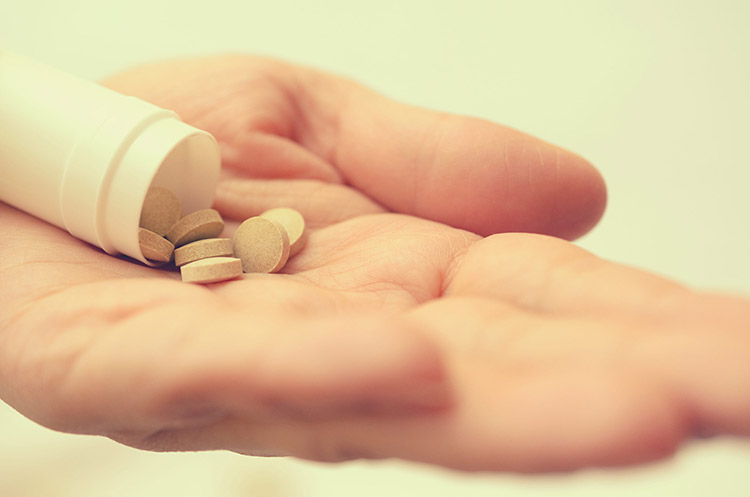
Calcium inhibits iron absorption. If you need to take iron supplements, which many people do, you might see advice cautioning you not to take them with calcium.
When you read cautions like this, you might wonder how much it really matters. For calcium and iron, studies show that the effect depends on how much calcium you’re taking and whether you’re in an at-risk group for iron deficiency.
How Calcium Affects Iron
Calcium is the only thing in human diets that we know of that can affect the absorption of both heme (from animal sources) and nonheme (from plant sources) iron.
Calcium and nonheme iron both use the same transport system in the body, so if you take them at the same time, they’re in competition. This can result in decreased absorption for both supplements. In addition, stomach acid is essential for absorbing iron, but some types of calcium can act as an antacid. Finally, calcium and iron can bind together in the intestines to make a complex that the body can’t use.
Studies on Iron and Calcium
There have been quite a few studies on the effects of calcium on iron absorption, particularly among women. Some studies have shown a decrease in calcium absorption when using iron, but later studies examining those earlier results have shown that there is less danger than initially assumed.
In a 2011 study, Gaitán et al. showed that “Calcium Does Not Inhibit the Absorption of 5 Milligrams of Nonheme or Heme Iron at Doses Less Than 800 Milligrams in Nonpregnant Women.” For non-pregnant women who aren’t taking large doses of calcium, there isn’t a significant effect on iron absorption.
A more recent 2021 meta-analysis of studies on iron and calcium for pregnant women indicated that calcium has short-term effects on iron absorption but does not make a significant long-term difference (Abioye et al.). They advised caution, though, as studies are not entirely conclusive.
What Should You Do?
Whether or not calcium’s effect on iron absorption will significantly affect you depends on several individual factors. For many people, the effects aren’t significant enough to worry about. But if you need to take high doses of calcium, you’re at risk of iron deficiency, or a doctor diagnoses you with iron-deficiency anemia, you need to be more cautious.
Some groups are at higher risk for iron deficiency, and those need to be more cautious about not taking iron with calcium. At-risk groups include pregnant women, vegetarians, people who underwent major surgery, and those with gastrointestinal diseases. Always talk with a medical professional before starting a new supplement routine.
For those wanting to maximize absorption of calcium and/or iron, take iron supplements about an hour before meals. Calcium is best taken with a meal, but if you’re at high risk for iron deficiency, you can take calcium before bed instead so it won’t interfere with your body absorbing iron from your food. It’s also a great idea to meet with a nutrition professional to discuss your diet, goals, and supplements to make sure you’re getting the nutrients you need.