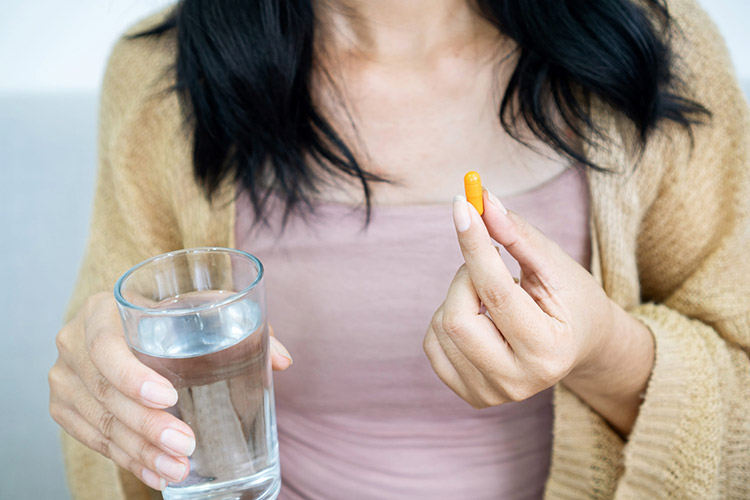
Probiotics are beneficial microorganisms that live in our gut and help maintain good digestive health. There are many varieties, including live bacterial strains like Lactobacillus and Bifidobacterium, as well as dormant ones like Bacillus and probiotic yeast. You can get probiotics from fermented foods or supplements, and research supports their benefits for gut health.
The goal is to get probiotics into your intestines. The problem is that they need to pass through the acid-rich stomach environment to get there. That’s true whatever type of probiotics you choose. Optimizing your probiotics means taking them in a way that helps them survive the journey through your digestive tract.
1) Choose The Right Probiotic
There is a wide range of probiotic supplements available. Some common options include Lactobacillus species (such as L. acidophilus and L. rhamnosus) and Bifidobacterium species (such as B. longum and B. breve), which are typically sold as live bacterial cultures. More important than the exact variety of probiotic you choose is that you purchase from a reputable brand that guarantees at least 1 billion colony-forming units (CFUs) per serving.
2) Consider Choosing Capsules
You can buy probiotic supplements in beads, capsules, drops, lozenges, powders, and tablets. One study from 2022 indicated that probiotics survive best when contained in acid-resistant capsules, but there hasn’t been enough research to determine if the other methods of delivering probiotics are always less effective. Whatever type of probiotic you choose, make sure you read the label and store them properly. Some types require refrigeration, while others are fine at room temperature.
3) Take Probiotics with Low-Acid Foods
There are not a large number of studies on the best times and ways to take probiotics. However, some studies do indicate that probiotics are most effective when you take them with a meal as long as you’re eating them with the right foods. Opt for foods that include all three macronutrients: carbohydrates, fats, and proteins. Fermented foods, which naturally contain probiotics, are a great option. Taking probiotics with full-fat yogurt is a great way to optimize them, since yogurt is a fermented food that contains all three macronutrients.
4) Don’t Take Probiotics with High-Acid Foods
Do not take probiotics at the same time you’re eating acidic foods like coffee, oranges, pineapple, or tomatoes. Those foods will make your stomach more acidic, which will then kill more of the probiotics before they can make it to your intestines.
5) Talk With an Expert
If you’re looking to optimize your gut health, probiotics aren’t the only thing that influences digestion. Working with a nutrition coach is a great way to ensure that you’re getting the most out of your supplements, including probiotics, and balancing that with a healthy diet. A nutrition coach will work with you to address individual goals and needs, optimizing your fitness journey.