
Why Athletes Are Turning to Astaxanthin for Recovery and Cellular Protection
Antioxidants help your body fight free radicals. That’s important because too high levels of free radicals (i.e. oxidative stress) are linked to a wide variety of health issues, including diabetes and cancer. Keeping free radicals in check helps your body stay healthy.
Your body makes its own antioxidants, but it also needs to get more from food. Antioxidants exist in all foods from plant or animal sources, but some foods are much higher in antioxidants than others. Astaxanthin is one of the more powerful antioxidant sources. Eating foods rich in astaxanthin supports overall health and has some extra benefits for active individuals.
What is Astaxanthin?
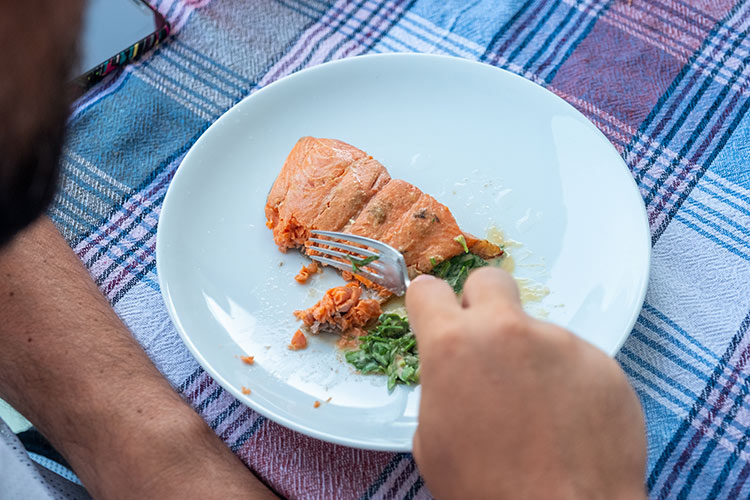
Astaxanthin is a naturally occurring red pigment that is a powerful antioxidant source. If you ever wondered what makes salmon or lobster reddish-pink, it’s astaxanthin. You’ll also find this pigment in other water-dwelling creatures like trout, microalgae, and shrimp. Astaxanthin is also the reason flamingos are pink; their feathers turn this color from eating foods rich in astaxanthin.
What are the Benefits?
Since astaxanthin is a powerful antioxidant, it can help reduce free radicals. It can also help reduce inflammation. Other benefits have not yet been studied extensively. However, some studies indicate that it can support healthy joints, bones, skin, eyes, and heart. It may also support brain health and lower the risk of Alzheimer’s disease. For athletes and active individuals, the benefits of astaxanthin may support heart health during exercise, improve post-exercise recovery, and reduce oxidative stress (Hasani et al., 2024; Rowlands & Holden, 2024).
Where to Get Astaxanthin?
You can get astaxanthin in supplement form. As a general rule, you can take 2 mg per day of synthetic astaxanthin (created in a lab) or 2 to 8 mg per day of natural astaxanthin (typically extracted from algae). Always check the dosing instructions on your specific supplement. Don’t take an astaxanthin supplement if you are pregnant or breastfeeding, and talk with a doctor before taking it if you are on any medications (especially hormone or blood pressure meds).
Whole food sources are generally preferred over supplements for nutrients like astaxanthin and other antioxidants. Eating salmon once or twice a week is a great way to add astaxanthin to your diet. Rainbow trout, shrimp, and lobster are also sources of astaxanthin. Marine algae, including seaweed, are one of the best whole-food sources. For expert advice on how to incorporate astaxanthin into your diet or supplement regimen, talk with a nutrition coach.