Should You Take Glutamine Supplements For Muscles or Gut Health?
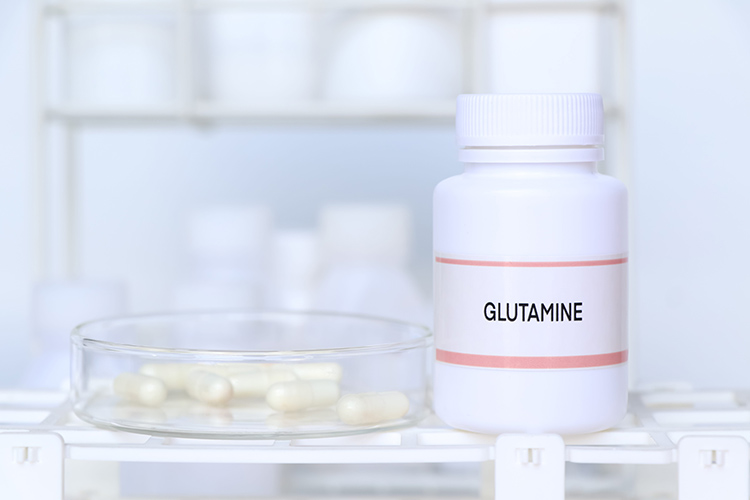
Amino acids are building blocks for protein, and glutamine is one that is abundant in the body. You can get it from food, and your body also produces it naturally. Sometimes, your body might need extra glutamine to recover from certain injuries or illnesses.
The fact that glutamine can help people recover from serious injury and certain illnesses has led some researchers to theorize that taking glutamine supplements might boost athletic performance and improve gut health. You might even have seen it advertised as a good supplement for athletes. But is glutamine something you should add to your supplement regimen?
Research on Glutamine
Research supports the use of supplemental glutamine for reducing the complications resulting from sickle cell disease. Doctors also sometimes use glutamine supplements to help people recover from traumatic injuries, serious burns, or surgeries.
We know that glutamine plays a pivotal role in the immune system and in intestinal health. There has been research on glutamine as a possible supplement to help with HIV/AIDS, cancers, and inflammatory bowel disease (IBD). Research on supplementing with glutamine for these issues is inconclusive, though, or shows no positive effects.
Glutamine for Athletes
Because amino acids like glutamine are building blocks for proteins, research also explored the potential for using glutamine supplements for muscle building, exercise performance, and post-workout recovery.
The research is not conclusive, but it seems to indicate that glutamine does not help build muscle or improve body composition. However, some studies have shown that glutamine supplements may help speed recovery and reduce muscle soreness.
Usually No Need for Supplements
There are situations where your doctor might recommend taking glutamine to aid in recovery, boost the immune system, or support gut health. For the most part, though, research has shown that healthy individuals don’t benefit from glutamine supplements. You get glutamine from foods like meat, dairy, and plant-based protein sources, and your body can make more if it needs to.
Studies indicate that if you do want to supplement with glutamine, it’s generally safe short-term, but there may be possible concerns with long-term supplementation. There’s also concern with glutamine supplements causing issues for people with liver disease, seizures, and bipolar disorder. That’s why it’s important to talk with your doctor before taking a new supplement.
If you have questions about your diet and possible supplements, you can meet with a nutrition coach. We’ll thoroughly review your current concerns, dietary and lifestyle habits, and relevant medical factors to develop recommendations aligned with your needs and goals, such as eating more protein-rich foods to support muscle gain or adjusting your diet to improve gut health.