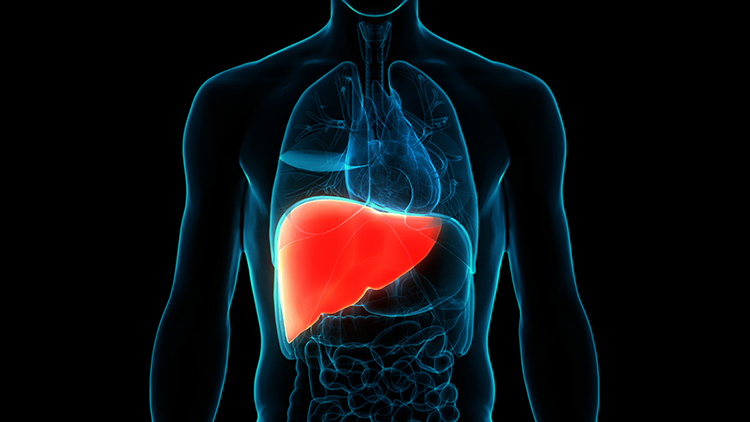
Your liver is one of the most important organs in your body. It acts as your body’s detox system, filtering your blood to remove toxins. It also helps digest food, break down medications you’ve taken, convert food into energy, and store that energy. In addition, the liver makes proteins to help your blood clot.
Given how important the liver is, it’s no wonder that there are many supplements available that claim to detox or regenerate your liver and support liver health. But do those claims hold up? What should you be doing to keep your liver healthy, particularly as an athlete?
Liver Health Tips
The most reliable advice for keeping your liver healthy doesn’t involve supplements at all. Limiting the amount of alcohol you drink, eating a healthy diet, and exercising regularly are the best things you can do to support liver health.
Alcohol is a toxin, and drinking too much of it can stress the liver. Drinking occasionally and in moderation should be okay, but heavy alcohol use definitely damages the liver. Be especially cautious about drinking alcohol if you’re taking any type of medication, and always check the medication’s label to see if it says to avoid alcohol use.
A healthy diet–specifically one that avoids large amounts of sweets and fried foods–also helps support a healthy liver. The healthier your diet is, the healthier your liver will be. Similarly, regular exercise supports overall health to help keep your liver healthy.
Common Liver Supplements
Commonly recommended liver supplements include milk thistle, artichoke leaf, and dandelion root. Most liver supplements on the market include at least one of these.
There is some evidence that milk thistle and artichoke leaf may have benefits for the liver. Human research shows mixed results, though, and there are few studies examining the effect of milk thistle and artichoke leaf on healthy individuals. If you want to try these supplements, they are generally considered safe. However, milk thistle can affect blood sugar levels, so people with diabetes should check with their doctors before trying it.
The Liver and Athletes
You might have heard that heavy supplement usage, high-protein diets, and high training loads stress the liver, and that’s why athletes should take liver supplements. There is some evidence to support this claim, but don’t rush out and buy a liver supplement just yet.
One study examined supplements to aid in muscle and liver recovery after exercising in hot environments (Wei et al., 2021). This study found that intense exercise in the heat can induce liver hypoperfusion, or insufficient blood flow to the liver. Liver markers improved after participants took a “multiple-nutrient supplement” that contained “glucose, fructose, maltose, sodium, potassium, vitamin B1, vitamin B2, vitamin C, vitamin K, and taurine.” None of these ingredients are the commonly recommended liver supplements like milk thistle or artichoke leaf.
Another study suggested that protein supplements in athletes may predict increased liver enzyme values, which is a marker of liver stress (Dedić et al., 2022). Rather than recommend liver support supplements, though, this study’s authors recommended that individual athletes should carefully tailor the amount of protein supplement they take to their individual needs and avoid taking too much. You can do this by working with a nutrition coach.
Broad claims that exercise stresses your liver are not supported by research. In fact, at least two studies show that exercise is vitally important to liver health and can help treat liver disease (see “Nonalcoholic Fatty Liver Disease: How 150 Minutes of Exercise a Week Can Help” and “New study shows diet, exercise reverses liver damage”). Heavy exercise may result in blood tests that show elevated liver enzymes, though. Athletes shouldn’t need supplements to keep their livers healthy, but if you are an athlete and blood tests show elevated enzymes, make sure you talk with your doctor about how your exercise routine can affect those results.